Chatham County Fire Department (CCFD) is the county-run fire service agency responsible for protecting residents in the unincorporated areas of Chatham County, Georgia (around Savannah). It officially became a county government department on July 1, 2024, after the county transitioned fire services from the nonprofit Chatham Emergency Services (CES) to a publicly operated department. 
Brief Overview
• Coverage: Serves roughly 196 square miles of unincorporated Chatham County. 
• Personnel: About 150+ firefighters and staff when the department was established. 
• Stations: Operates 14 fire stations staffed 24/7. 
• Leadership: Led by Fire Chief James Vickers.
Like a lot of departments, this one has the potential to be really solid, but a lot of the issues come from the top. With different leadership, it could easily be a 4–5 star place to work. Trying to keep this simple and hit the main points.
Stations & Rigs
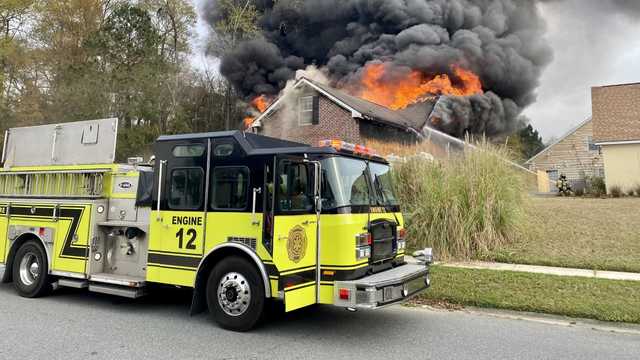
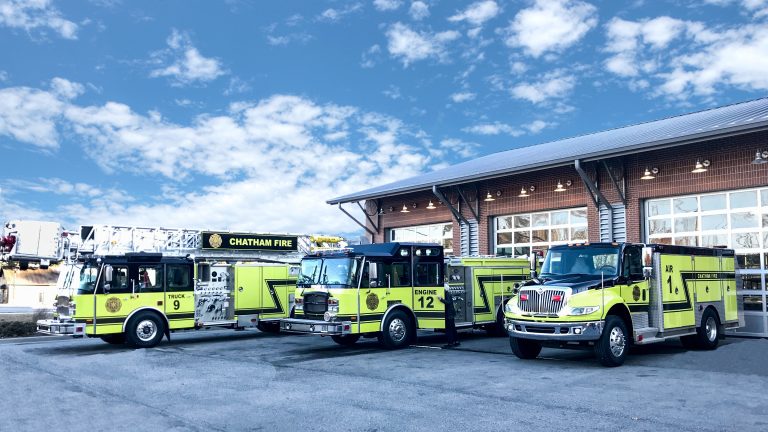
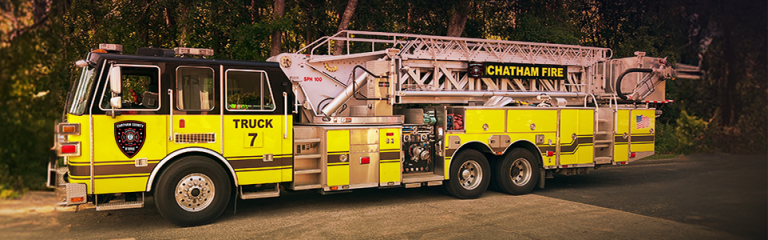
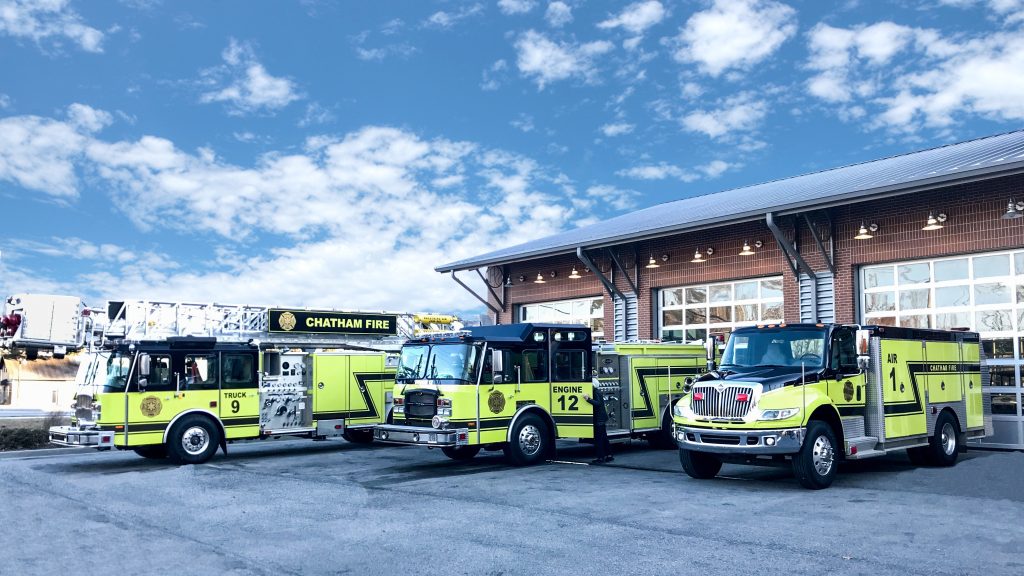
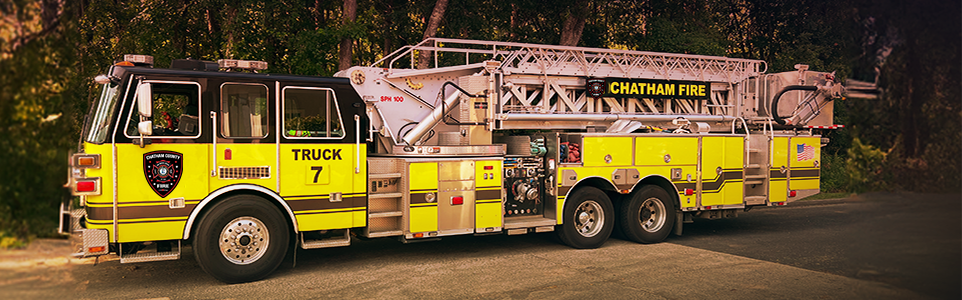
The apparatus situation isn’t great. One station seems to get all the new rigs while the rest of the department ends up running their old hand-me-downs. On top of that, mechanical issues can take forever to get fixed. It’s not uncommon for tickets to sit for months before anything gets addressed. Station maintenance is pretty much the same story.
Staffing
All units run two-person staffing. The frustrating part is the county has already approved moving to three on apparatus, but those positions still haven’t been opened. Anyone who’s worked a job with only two people knows how big of a difference that third person can make, especially when the next due company is several minutes out.
There have also been some confusing staffing decisions. At one point there were overtime spots on aerials, but those were removed to staff a tender that hardly runs calls. Meanwhile there are plenty of firefighters willing to pick up overtime to fill the truck and tender spots.
Equipment
A lot of the equipment is older or limited depending on where you’re assigned. Rescue tools on trucks are pretty outdated, and newer equipment tends to end up in one place while everyone else keeps running the older gear. Medical equipment also feels pretty basic compared to a lot of other departments, even if transport isn’t part of the job.
Culture
Culture really depends on the shift and battalion. Some crews have great morale and work hard together, while others are pretty toxic. It can be a completely different experience depending on where you land. You could be at the same station but one shift it’s terrible because of the officer/crews nearby, etc.. but another shift at the same station is a blast. There’s also a noticeable disconnect between upper administration and the firefighters on the floor. Battalion Chiefs are generally the ones who seem to have the crews’ backs the most.
Training
Training really depends on which battalion or shift you end up on. Some crews don’t train at all, while others focus mostly on daily back breaking PT with very little hands-on skills work. There are a few battalions that do a good job balancing both, but it’s not consistent across the department. Overall there isn’t a clear standard when it comes to training expectations. Some shifts/battalions if the officer doesn’t think you’re up to par skills wise, they’ll run you off and try to make it a point to make your shift life miserable, instead of helping you get to where you should be. And recruit school is another story. It’s more of a PT fest than anything. You don’t learn much skills wise.
The good
Pay and benefits are actually solid for the area. The move to a 48/96 schedule will be a positive change as well. The department also sees a decent amount of fire compared to many nearby departments, which is something a lot of people appreciate.
Overall, there’s definitely potential here. With some changes in leadership decisions, staffing, and equipment distribution, this could be a much better department to work for.



Rating Breakdown
1/5
2/5
1/5
2/5
1 Review on “Chatham County”
Like a lot of departments, this one has the potential to be really solid, but a lot of the issues come from the top. With different leadership, it could easily be a 4–5 star place to work. Trying to keep this simple and hit the main points.
Stations & Rigs
The apparatus situation isn’t great. One station seems to get all the new rigs while the rest of the department ends up running their old hand-me-downs. On top of that, mechanical issues can take forever to get fixed. It’s not uncommon for tickets to sit for months before anything gets addressed. Station maintenance is pretty much the same story.
Staffing
All units run two-person staffing. The frustrating part is the county has already approved moving to three on apparatus, but those positions still haven’t been opened. Anyone who’s worked a job with only two people knows how big of a difference that third person can make, especially when the next due company is several minutes out.
There have also been some confusing staffing decisions. At one point there were overtime spots on aerials, but those were removed to staff a tender that hardly runs calls. Meanwhile there are plenty of firefighters willing to pick up overtime to fill the truck and tender spots.
Equipment
A lot of the equipment is older or limited depending on where you’re assigned. Rescue tools on trucks are pretty outdated, and newer equipment tends to end up in one place while everyone else keeps running the older gear. Medical equipment also feels pretty basic compared to a lot of other departments, even if transport isn’t part of the job.
Culture
Culture really depends on the shift and battalion. Some crews have great morale and work hard together, while others are pretty toxic. It can be a completely different experience depending on where you land. You could be at the same station but one shift it’s terrible because of the officer/crews nearby, etc.. but another shift at the same station is a blast. There’s also a noticeable disconnect between upper administration and the firefighters on the floor. Battalion Chiefs are generally the ones who seem to have the crews’ backs the most.
Training
Training really depends on which battalion or shift you end up on. Some crews don’t train at all, while others focus mostly on daily back breaking PT with very little hands-on skills work. There are a few battalions that do a good job balancing both, but it’s not consistent across the department. Overall there isn’t a clear standard when it comes to training expectations. Some shifts/battalions if the officer doesn’t think you’re up to par skills wise, they’ll run you off and try to make it a point to make your shift life miserable, instead of helping you get to where you should be. And recruit school is another story. It’s more of a PT fest than anything. You don’t learn much skills wise.
The good
Pay and benefits are actually solid for the area. The move to a 48/96 schedule will be a positive change as well. The department also sees a decent amount of fire compared to many nearby departments, which is something a lot of people appreciate.
Overall, there’s definitely potential here. With some changes in leadership decisions, staffing, and equipment distribution, this could be a much better department to work for.