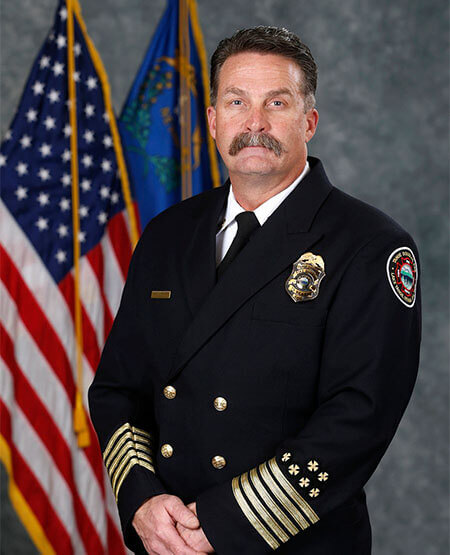
Scott Lindgren is the Fire Chief of the Tahoe Douglas Fire Protection District (TDFPD), a position he assumed in January 2021 after over three decades in the California fire service, including 24 years with CAL FIRE.
Prior to joining TDFPD, Lindgren served as the Chief of CAL FIRE’s Amador-El Dorado Unit, overseeing operations across five counties and managing over 1.1 million acres of state lands. His background includes command experience on a range of large-scale incidents, including wildfires and technical rescues.
There are significant leadership challenges under the current Fire Chief. He tends to centralize authority, often prioritizing his own decisions over collaborative input. While he solicits feedback from subordinates and committees on matters such as operations, equipment, and staffing, it is common for him to disregard their recommendations, frequently opting for the opposite course of action.
He has expressed strong opposition to the Union, which has created a divisive and strained work environment. Since his appointment, approximately 20 firefighters have left the Tahoe Douglas Fire Protection District for other agencies—a concerning trend he appears to dismiss as routine turnover, stating simply, “People come and go.”
These are only a few examples of broader systemic issues that have emerged under his leadership. His leadership is having a profoundly negative impact on morale, retention, and the overall effectiveness of the department.
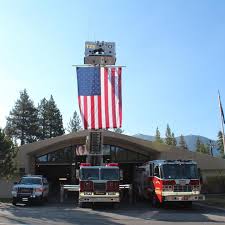
Since taking over as Fire Chief in 2021, Scott Lindgren’s leadership has raised significant concerns among department personnel. Many feel that his decisions have not prioritized the well-being of line staff, nor aligned with the mission and values of the fire service. There is a perception that his initiatives—such as a costly station renovation with limited operational use and the controversial “Save the Basin” helicopter project—have been driven more by personal ambition than by departmental needs.
Employee morale has suffered notably during his tenure. Approximately 20 staff members have lateraled to other departments offering better compensation, benefits, and working conditions, suggesting a troubling pattern of dissatisfaction. Additionally, the department’s aging fleet remains a major issue, with the current replacement plan seen by many as inadequate and poorly executed.
These ongoing challenges have contributed to a significant decline in morale among frontline personnel, raising questions about the direction and leadership priorities within the department.
Chief Lindgren has single-handedly brought this department from a top in the area to a borderline laughing stock. The line personnel are professional and proficient despite the dwindling fleet of apparatus and losing experienced members to other departments. Chief Lindgren continues to try to turn this department into Cal Fire of which he came from. Chief Lindgren runs the department with an attitude of the union vs. him. Engines, ambulances and truck are pretty much all outdated on the replacement cycles and constantly out of service. Stations are overdue for remodels and structural integrity is questionable. He also took an engine out of service at one station at detriment to the surrounding communities. He continues to fight the line/union on raises, the line has fallen to the bottom when looking at comparisons to other surrounding departments. Moral is low, the department’s future is suffering. Experienced firefighters, engineers, and Captains are looking elsewhere. He fails to produce additional income for the Fire District/employees from the largest tourist/casino center in Lake Tahoe. Chief Lindgren’s focus seems to be raising money for an unnecessary Helicopter program and giving his fellow Chiefs new rigs and raises instead of solving the many problems this department has.



Rating Breakdown
1/5
1/5
1.3/5
1.3/5
3 Reviews on “Scott Lindgren”
There are significant leadership challenges under the current Fire Chief. He tends to centralize authority, often prioritizing his own decisions over collaborative input. While he solicits feedback from subordinates and committees on matters such as operations, equipment, and staffing, it is common for him to disregard their recommendations, frequently opting for the opposite course of action.
He has expressed strong opposition to the Union, which has created a divisive and strained work environment. Since his appointment, approximately 20 firefighters have left the Tahoe Douglas Fire Protection District for other agencies—a concerning trend he appears to dismiss as routine turnover, stating simply, “People come and go.”
These are only a few examples of broader systemic issues that have emerged under his leadership. His leadership is having a profoundly negative impact on morale, retention, and the overall effectiveness of the department.
Since taking over as Fire Chief in 2021, Scott Lindgren’s leadership has raised significant concerns among department personnel. Many feel that his decisions have not prioritized the well-being of line staff, nor aligned with the mission and values of the fire service. There is a perception that his initiatives—such as a costly station renovation with limited operational use and the controversial “Save the Basin” helicopter project—have been driven more by personal ambition than by departmental needs.
Employee morale has suffered notably during his tenure. Approximately 20 staff members have lateraled to other departments offering better compensation, benefits, and working conditions, suggesting a troubling pattern of dissatisfaction. Additionally, the department’s aging fleet remains a major issue, with the current replacement plan seen by many as inadequate and poorly executed.
These ongoing challenges have contributed to a significant decline in morale among frontline personnel, raising questions about the direction and leadership priorities within the department.
Chief Lindgren has single-handedly brought this department from a top in the area to a borderline laughing stock. The line personnel are professional and proficient despite the dwindling fleet of apparatus and losing experienced members to other departments. Chief Lindgren continues to try to turn this department into Cal Fire of which he came from. Chief Lindgren runs the department with an attitude of the union vs. him. Engines, ambulances and truck are pretty much all outdated on the replacement cycles and constantly out of service. Stations are overdue for remodels and structural integrity is questionable. He also took an engine out of service at one station at detriment to the surrounding communities. He continues to fight the line/union on raises, the line has fallen to the bottom when looking at comparisons to other surrounding departments. Moral is low, the department’s future is suffering. Experienced firefighters, engineers, and Captains are looking elsewhere. He fails to produce additional income for the Fire District/employees from the largest tourist/casino center in Lake Tahoe. Chief Lindgren’s focus seems to be raising money for an unnecessary Helicopter program and giving his fellow Chiefs new rigs and raises instead of solving the many problems this department has.