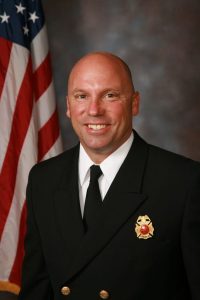
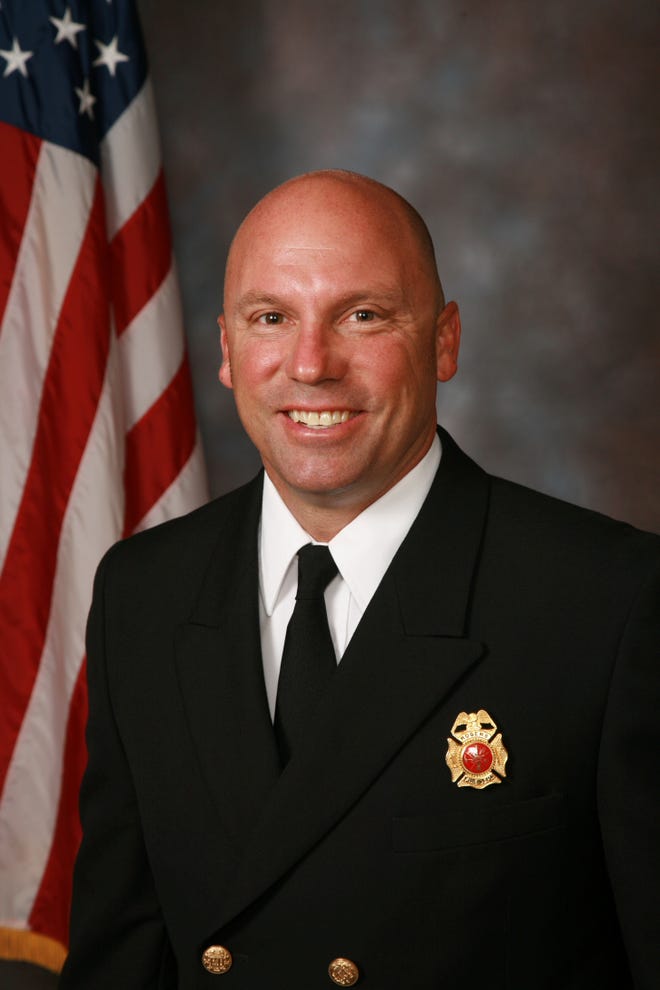
Jake Rhodes is a Fire Chief whose career has taken him through several departments across the United States.
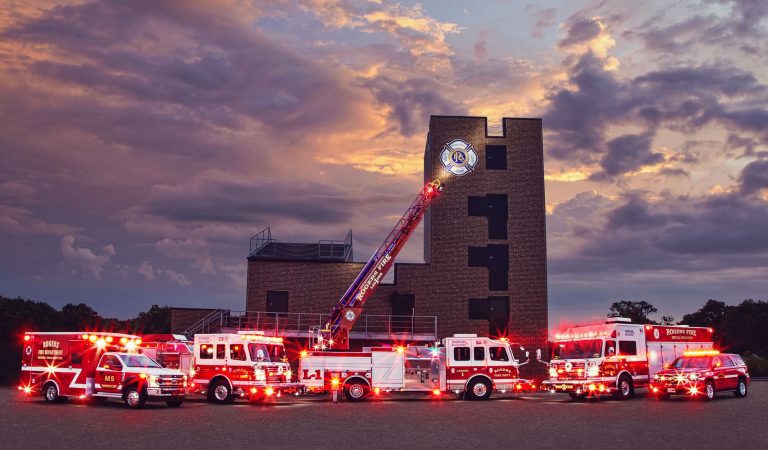
Little is known about Rhodes’ early career prior to his arrival in Rogers, Arkansas, where he was hired as the Deputy Chief of Training for the Rogers Fire Department. Records and public accounts of his professional background before this appointment are unclear, leaving uncertainty about the path that led him to the position. Rhodes spent several years in Rogers overseeing training programs and departmental development before ultimately separating from the department.
Following his time in Arkansas, Rhodes moved to Edmond, Oklahoma, where he was appointed Fire Chief of the Edmond Fire Department. His tenure in Edmond became the most widely discussed period of his career. During this time, Rhodes faced allegations from within the department involving claims of a hostile work environment, corruption, and coercion. Among the more serious accusations was a claim that Rhodes allegedly told a Battalion Chief that he should kill a Captain during an internal conflict. Additional allegations surfaced during an investigation into departmental conduct, with some employees reporting that Rhodes attempted to influence witnesses. According to those accounts, he allegedly told personnel to “make sure their memory was correct” while the investigation was underway.
As the investigation progressed, Rhodes chose to resign from his position as Fire Chief. In a statement explaining his departure, he said the decision was “a necessity for my health and the best interests of my family.”
After leaving Edmond, Rhodes continued his career in the fire service by moving west to Kingman, Arizona, where he briefly served as Fire Chief for the Kingman Fire Department. His time there was relatively short before he transitioned again, this time joining the Buckeye Fire Department.
Someone sent me this recently and it was a blast from the past. I worked with this chief at the fourth of the six departments he’s worked for. To be honest, his reputation wasn’t great before he arrived, so morale wasn’t exactly high when we heard he’d been hired.
Surprisingly, at first he actually wasn’t that bad. He came in and started spending money like crazy, which was very out of character for our department. Looking back, it felt like he was trying to make a splash and build influence quickly. I suspect it took some time before he really got in tight with the city manager.
After a while, though, his ego and temper started to show. He became very intimidating and demanded blind loyalty from the staff. If he felt like someone wasn’t completely in line with him, he would threaten them or make their lives difficult. The environment quickly became toxic.
I remember one moment clearly where he said something along the lines of how he could commit a crime and the city manager still wouldn’t fire him. That pretty much summed up the attitude he carried. He acted like he was untouchable.
Eventually people had enough of the threats and intimidation, and complaints started to be filed. There seemed to be a pattern where, whenever things started to catch up with him, he would choose to resign rather than face the consequences. That way he could move on and get hired somewhere else.
Things ended pretty badly at our department. After leaving, he ended up going to a much smaller and more remote department, which seemed like a way to lay low for a while. Seeing his name pop up again recently and being involved in everything brought back a lot of memories.
The thing about reputations in this profession is that people remember. Time and distance don’t erase how someone treated the people they were supposed to lead.
I worked under this guy at Rogers Arkansas Fire, and he had a serious god complex. He seemed to take pride in pushing people to quit, making things as difficult as possible just to see how many he could break.
We used to host a regional fire academy, but after a few classes other departments stopped sending their people because of the way he ran it.
At one point we even had an ambulance on standby daily to give IVs to recruits who were pushed past their limits. Anyone who struggled was mocked as a “pussy” who couldn’t handle the heat.
On top of that, he routinely made wildly inappropriate comments to our secretaries.
When he finally left, it’s fair to say morale improved overnight.
I worked for Chief Rhodes here in Kingman. Before he arrived, we had heard warnings about his past in Oklahoma. Unfortunately, our city council was not very pro-union, so there wasn’t much ability for employees to push back on the decision. I suspect that environment may have been part of why he chose Kingman.
To be fair, when he first arrived he did bring some positive changes. Our department had fallen behind the times in several ways, and initially he pushed for improvements that helped modernize some of our operations. Early on, many of us felt that his leadership might be what the department needed to move forward.
However, over time the environment became increasingly hostile. He seemed determined to push out anyone he personally viewed as a problem. While the department may have appeared to improve “on paper,” internally it felt like the organization itself was being dismantled. Morale dropped significantly, and many people felt like they were constantly looking over their shoulder, worried they might be next.
His temper was also a serious issue. He would sometimes lash out during public meetings, and it often felt like he simply couldn’t control it. He frequently bragged about having the city manager “in his pocket,” and from the outside it certainly seemed like he had very little oversight. Decisions were made without much pushback, and that only reinforced the feeling that there was no accountability.
I do believe he initially set the department on a path toward modernization, and for that I’m grateful. But the cost to morale, trust, and the overall health of the organization was significant. Ultimately, I’m far more grateful that he is no longer here.
I’m honestly not surprised to see this name come up in discussions about leadership. During my time around the department, I made a point of staying off his radar, but I watched firsthand as certain individuals were singled out and pushed aside.
There seemed to be two types of people he had the most issues with: highly respected members who carried influence among the crews, and husky fellas. Anyone who had the respect of others or the ability to challenge decisions appeared to become a target.
Instead of using strong personalities and respected firefighters to strengthen the organization, it often felt like leadership was focused on maintaining control and eliminating dissent. That kind of environment doesn’t build a healthy department culture, and it ultimately pushes away good people.
The atmosphere created by this approach was one where many firefighters simply tried to keep their heads down and stay off the radar rather than contribute openly or challenge ideas that might improve the department. That’s not how strong organizations grow.
Leadership should encourage accountability, professionalism, and open discussion. Unfortunately, what I witnessed was a culture where personal grievances and control often seemed to take priority over developing people and strengthening the department.



Rating Breakdown
1/5
1/5
1/5
1/5
4 Reviews on “Jake Rhodes”
Someone sent me this recently and it was a blast from the past. I worked with this chief at the fourth of the six departments he’s worked for. To be honest, his reputation wasn’t great before he arrived, so morale wasn’t exactly high when we heard he’d been hired.
Surprisingly, at first he actually wasn’t that bad. He came in and started spending money like crazy, which was very out of character for our department. Looking back, it felt like he was trying to make a splash and build influence quickly. I suspect it took some time before he really got in tight with the city manager.
After a while, though, his ego and temper started to show. He became very intimidating and demanded blind loyalty from the staff. If he felt like someone wasn’t completely in line with him, he would threaten them or make their lives difficult. The environment quickly became toxic.
I remember one moment clearly where he said something along the lines of how he could commit a crime and the city manager still wouldn’t fire him. That pretty much summed up the attitude he carried. He acted like he was untouchable.
Eventually people had enough of the threats and intimidation, and complaints started to be filed. There seemed to be a pattern where, whenever things started to catch up with him, he would choose to resign rather than face the consequences. That way he could move on and get hired somewhere else.
Things ended pretty badly at our department. After leaving, he ended up going to a much smaller and more remote department, which seemed like a way to lay low for a while. Seeing his name pop up again recently and being involved in everything brought back a lot of memories.
The thing about reputations in this profession is that people remember. Time and distance don’t erase how someone treated the people they were supposed to lead.
Well Jake, people don’t forget.
I worked under this guy at Rogers Arkansas Fire, and he had a serious god complex. He seemed to take pride in pushing people to quit, making things as difficult as possible just to see how many he could break.
We used to host a regional fire academy, but after a few classes other departments stopped sending their people because of the way he ran it.
At one point we even had an ambulance on standby daily to give IVs to recruits who were pushed past their limits. Anyone who struggled was mocked as a “pussy” who couldn’t handle the heat.
On top of that, he routinely made wildly inappropriate comments to our secretaries.
When he finally left, it’s fair to say morale improved overnight.
I worked for Chief Rhodes here in Kingman. Before he arrived, we had heard warnings about his past in Oklahoma. Unfortunately, our city council was not very pro-union, so there wasn’t much ability for employees to push back on the decision. I suspect that environment may have been part of why he chose Kingman.
To be fair, when he first arrived he did bring some positive changes. Our department had fallen behind the times in several ways, and initially he pushed for improvements that helped modernize some of our operations. Early on, many of us felt that his leadership might be what the department needed to move forward.
However, over time the environment became increasingly hostile. He seemed determined to push out anyone he personally viewed as a problem. While the department may have appeared to improve “on paper,” internally it felt like the organization itself was being dismantled. Morale dropped significantly, and many people felt like they were constantly looking over their shoulder, worried they might be next.
His temper was also a serious issue. He would sometimes lash out during public meetings, and it often felt like he simply couldn’t control it. He frequently bragged about having the city manager “in his pocket,” and from the outside it certainly seemed like he had very little oversight. Decisions were made without much pushback, and that only reinforced the feeling that there was no accountability.
I do believe he initially set the department on a path toward modernization, and for that I’m grateful. But the cost to morale, trust, and the overall health of the organization was significant. Ultimately, I’m far more grateful that he is no longer here.
I’m honestly not surprised to see this name come up in discussions about leadership. During my time around the department, I made a point of staying off his radar, but I watched firsthand as certain individuals were singled out and pushed aside.
There seemed to be two types of people he had the most issues with: highly respected members who carried influence among the crews, and husky fellas. Anyone who had the respect of others or the ability to challenge decisions appeared to become a target.
Instead of using strong personalities and respected firefighters to strengthen the organization, it often felt like leadership was focused on maintaining control and eliminating dissent. That kind of environment doesn’t build a healthy department culture, and it ultimately pushes away good people.
The atmosphere created by this approach was one where many firefighters simply tried to keep their heads down and stay off the radar rather than contribute openly or challenge ideas that might improve the department. That’s not how strong organizations grow.
Leadership should encourage accountability, professionalism, and open discussion. Unfortunately, what I witnessed was a culture where personal grievances and control often seemed to take priority over developing people and strengthening the department.