Bonner County Ambulance District (BCAD) is the primary provider of emergency medical services (EMS) for Bonner County, Idaho, serving a largely rural and geographically diverse region that includes the City of Sandpoint and surrounding communities.
BCAD operates as a public ambulance district, delivering 24/7 Advanced Life Support (ALS) emergency response, interfacility transports, and community medical services. The district is responsible for responding to a wide range of medical and traumatic emergencies across mountainous terrain, remote roadways, and recreational areas, requiring a high level of clinical proficiency and operational readiness.
The “Good”
• 48/96 schedule.
• Station-based system.
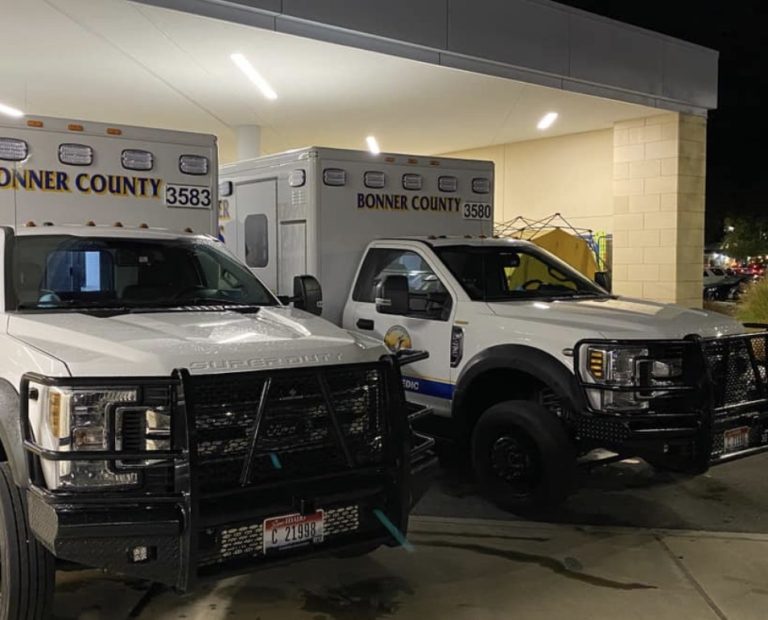
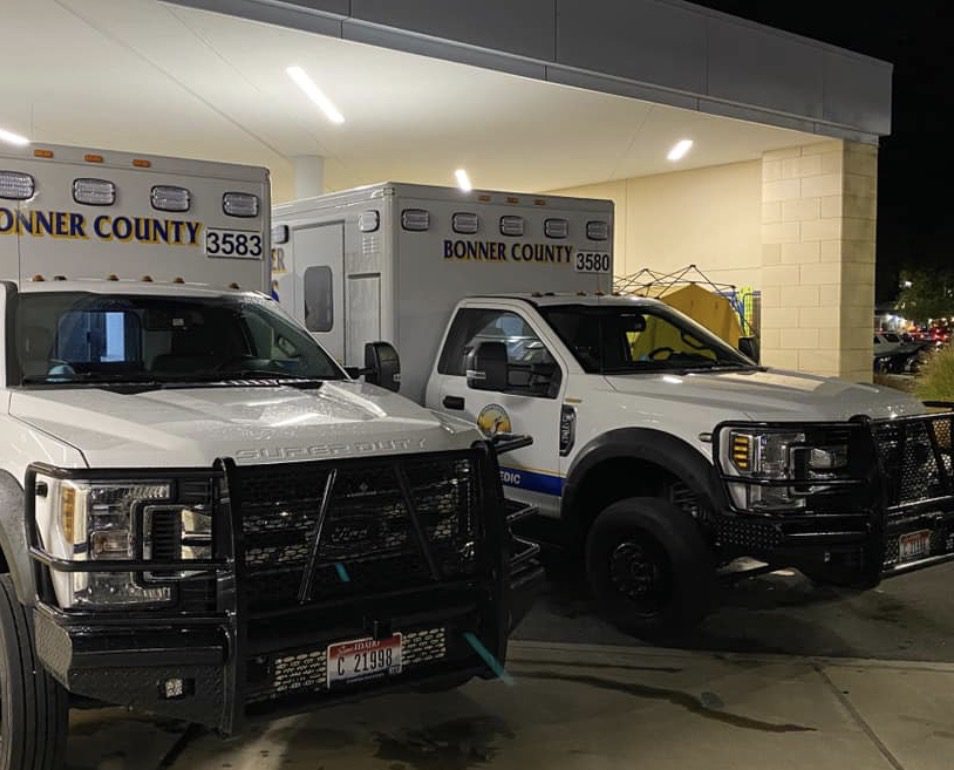
• Equipment is marginally better than some surrounding agencies.
• PERSI retirement… if you survive long enough. (Only two employees have ever actually made it to retirement here.)
The Bad
• Significantly underpaid compared to nearly every service in the region.
• No step or grade pay system whatsoever, meaning employees have zero visibility into what they’ll earn in 5–10 years—if they even last that long.
• Abysmal medical benefits that cost employees a substantial amount out of every paycheck for very little return.
Leadership (or lack thereof)
• An incompetent chief.
Chief Lindsey has no business being in any leadership role—especially in a patient care–driven organization. There is a complete absence of leadership, direction, or vision. Morale is predictably low, and the overwhelming majority of employees have no confidence whatsoever in the chief’s ability to improve, stabilize, or lead this agency in any meaningful way.
• Chronic budget failures driven by inept county officials and a chief who lacks both the business acumen and the backbone required to advocate for his own agency. Instead of fighting for resources, leadership passively accepts cuts that actively degrade service delivery.
Operations & staffing
• Minimum staffing isn’t a contingency—it’s the norm.
This results in routinely prolonged response times and dangerously thin resource coverage.
• Management consistently refuses to be honest with county commissioners about how budget cuts and reduced staffing have strained operations. Rather than advocating for patient care or employee safety, leadership functions as a political mouthpiece, prioritizing optics over reality.
• The chief appears more concerned with quietly reaching retirement than doing what is right for the agency, its employees, or the community it serves.
Policies & expectations
• Expectations change constantly with no clear standard of what is acceptable from one day to the next.
• Policies and procedures are effectively meaningless, as they are rewritten or “adjusted” via knee-jerk reactions every few weeks. This leaves employees confused, frustrated, and unsure of what they will be disciplined—or ignored—for on any given shift.
Training
• Training is essentially nonexistent.
New hires are placed on a rig with an FTO and expected to “figure it out.”
• Ongoing training to improve competency, standards, or clinical performance? None.
• Professional development is not a priority here—bare minimum compliance is.
Bottom line
I strongly recommend avoiding this agency.
If you do choose to work here, do not view it as a career department. This is a temporary stepping-stone job at best. Get your experience, then leave for a department that values leadership, transparency, training, and its people—because this one does not.
I would avoid this place if you can. Worked here for years and it’s what youd expect out of a good ol boys club in north idaho.
really no opportunity for career development unless your the chiefs buddy, then you’ll get promoted despite being a terrible provider with minimal experience. And if youre a woman, you stand no chance whatsoever.
Very little reasonable accomidation with anything. Standards and expectations change like the wind, and you never know what you’ll be held to.
Most of the employees are good people, and the equipment is nice. pay and benefits are lacking, and admin is innefective at best.



Rating Breakdown
1/5
1.5/5
2.5/5
1.5/5
2 Reviews on “Bonner County Ambulance District”
The “Good”
• 48/96 schedule.
• Station-based system.
• Equipment is marginally better than some surrounding agencies.
• PERSI retirement… if you survive long enough. (Only two employees have ever actually made it to retirement here.)
The Bad
• Significantly underpaid compared to nearly every service in the region.
• No step or grade pay system whatsoever, meaning employees have zero visibility into what they’ll earn in 5–10 years—if they even last that long.
• Abysmal medical benefits that cost employees a substantial amount out of every paycheck for very little return.
Leadership (or lack thereof)
• An incompetent chief.
Chief Lindsey has no business being in any leadership role—especially in a patient care–driven organization. There is a complete absence of leadership, direction, or vision. Morale is predictably low, and the overwhelming majority of employees have no confidence whatsoever in the chief’s ability to improve, stabilize, or lead this agency in any meaningful way.
• Chronic budget failures driven by inept county officials and a chief who lacks both the business acumen and the backbone required to advocate for his own agency. Instead of fighting for resources, leadership passively accepts cuts that actively degrade service delivery.
Operations & staffing
• Minimum staffing isn’t a contingency—it’s the norm.
This results in routinely prolonged response times and dangerously thin resource coverage.
• Management consistently refuses to be honest with county commissioners about how budget cuts and reduced staffing have strained operations. Rather than advocating for patient care or employee safety, leadership functions as a political mouthpiece, prioritizing optics over reality.
• The chief appears more concerned with quietly reaching retirement than doing what is right for the agency, its employees, or the community it serves.
Policies & expectations
• Expectations change constantly with no clear standard of what is acceptable from one day to the next.
• Policies and procedures are effectively meaningless, as they are rewritten or “adjusted” via knee-jerk reactions every few weeks. This leaves employees confused, frustrated, and unsure of what they will be disciplined—or ignored—for on any given shift.
Training
• Training is essentially nonexistent.
New hires are placed on a rig with an FTO and expected to “figure it out.”
• Ongoing training to improve competency, standards, or clinical performance? None.
• Professional development is not a priority here—bare minimum compliance is.
Bottom line
I strongly recommend avoiding this agency.
If you do choose to work here, do not view it as a career department. This is a temporary stepping-stone job at best. Get your experience, then leave for a department that values leadership, transparency, training, and its people—because this one does not.
I would avoid this place if you can. Worked here for years and it’s what youd expect out of a good ol boys club in north idaho.
really no opportunity for career development unless your the chiefs buddy, then you’ll get promoted despite being a terrible provider with minimal experience. And if youre a woman, you stand no chance whatsoever.
Very little reasonable accomidation with anything. Standards and expectations change like the wind, and you never know what you’ll be held to.
Most of the employees are good people, and the equipment is nice. pay and benefits are lacking, and admin is innefective at best.