Campbell County Fire Department is a “Combination Fire Department” consisting of 49 full-time staff, more than 56 part-time staff, and multiple support personnel. We provide structural and wildland fire response, rescue, first responder EMS and hazardous materials response services to the City of Gillette, Town of Wright and unincorporated Campbell County. Our service area consists of approximately 46,341 citizens and 4,803 square miles.
Our department includes 10 structural fire stations, a training center, a fleet maintenance facility and several rural wildland fire support stations.
Scheduling and Staffing
Scheduling within the department has improved significantly over time. CCFD’s transition to a 48/96 schedule has been a major positive change. However, staffing continues to be a challenge—largely due to a lack of effective leadership at the chief officer level. The department has long struggled under a small-town mindset and outdated management practices that hinder progress.
Leadership and Administration
Unfortunately, leadership within the department remains well below acceptable standards. CCFD has lost a considerable amount of experienced and talented personnel—many of whom were pushed away for thinking independently or attempting to innovate. The current culture discourages self-motivation, critical thinking, and individual initiative. Micromanagement from the top down continues to stifle professional growth and morale.
As a result, the department now faces the difficult situation of promoting younger, less experienced individuals into leadership positions due to the exodus of seasoned firefighters. While there is much more that could be said about the current administration, it is clear that meaningful change will be difficult without a fundamental shift in mindset and leadership philosophy.
Resources and Equipment
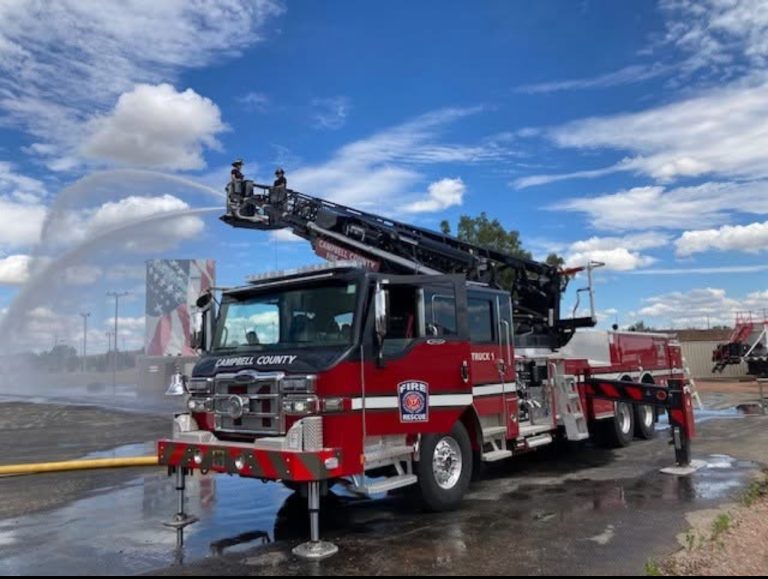
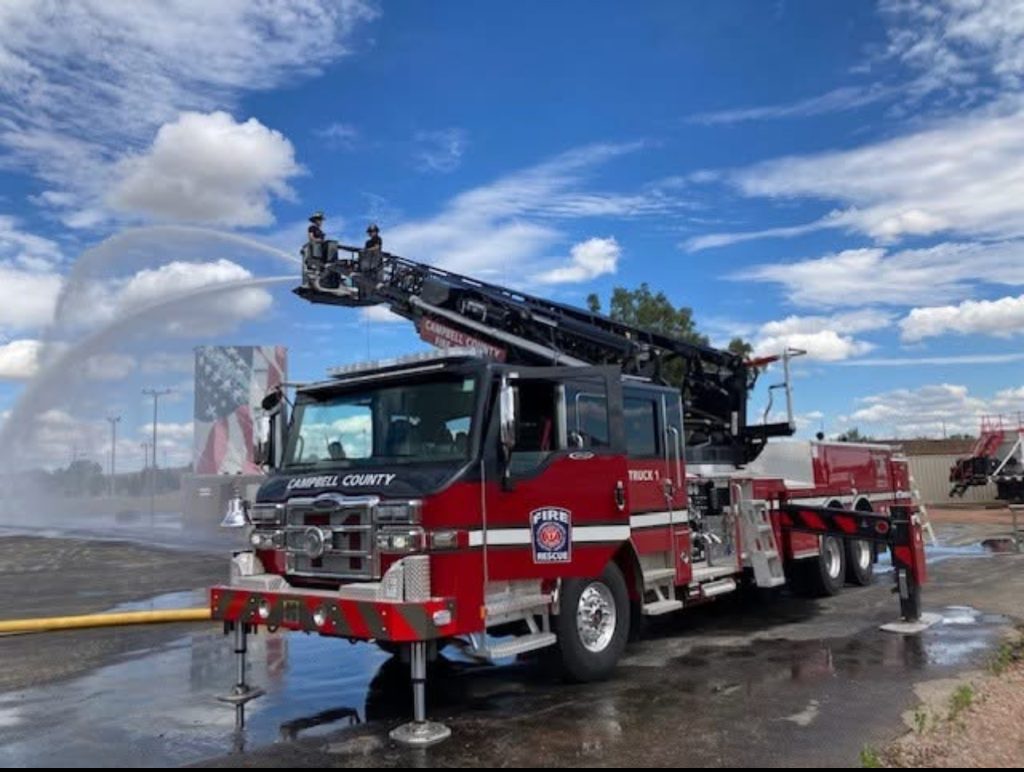
This is one of CCFD’s strongest areas. Thanks to solid funding, the department is able to provide outstanding apparatus and top-tier equipment. The resources available to personnel are exceptional and allow for high operational capability when utilized effectively.
Work Environment and Morale
Unfortunately, the work environment within CCFD can best be described as toxic. The negative culture appears to stem from the top down, spreading throughout the ranks and eroding morale. Firefighters are often faced with two options: go along with the status quo or look the other way. While some contribute to the ongoing dysfunction, others attempt to drive positive change—only to be met with resistance or dismissal.
It has even been said that if you can “outlast the chiefs,” you’ll make it to retirement—otherwise, you might as well give up now. That statement alone reflects the deep-rooted issues within the department’s leadership culture.



Rating Breakdown
1/5
1/5
5/5
4/5
1 Review on “Campbell County Fire Department”
Scheduling and Staffing
Scheduling within the department has improved significantly over time. CCFD’s transition to a 48/96 schedule has been a major positive change. However, staffing continues to be a challenge—largely due to a lack of effective leadership at the chief officer level. The department has long struggled under a small-town mindset and outdated management practices that hinder progress.
Leadership and Administration
Unfortunately, leadership within the department remains well below acceptable standards. CCFD has lost a considerable amount of experienced and talented personnel—many of whom were pushed away for thinking independently or attempting to innovate. The current culture discourages self-motivation, critical thinking, and individual initiative. Micromanagement from the top down continues to stifle professional growth and morale.
As a result, the department now faces the difficult situation of promoting younger, less experienced individuals into leadership positions due to the exodus of seasoned firefighters. While there is much more that could be said about the current administration, it is clear that meaningful change will be difficult without a fundamental shift in mindset and leadership philosophy.
Resources and Equipment
This is one of CCFD’s strongest areas. Thanks to solid funding, the department is able to provide outstanding apparatus and top-tier equipment. The resources available to personnel are exceptional and allow for high operational capability when utilized effectively.
Work Environment and Morale
Unfortunately, the work environment within CCFD can best be described as toxic. The negative culture appears to stem from the top down, spreading throughout the ranks and eroding morale. Firefighters are often faced with two options: go along with the status quo or look the other way. While some contribute to the ongoing dysfunction, others attempt to drive positive change—only to be met with resistance or dismissal.
It has even been said that if you can “outlast the chiefs,” you’ll make it to retirement—otherwise, you might as well give up now. That statement alone reflects the deep-rooted issues within the department’s leadership culture.